Blog
Beginner’s Guide to Surfboards: Everything You Need to Know Before Buying
Beginner's Guide to Surfboards: Everything You Need to Know Before Buying
Buying your first surfboard is an exciting milestone, but it can also be confusing if you do not know where to start. With so many shapes, materials, and sizes on the market, beginners often end up either overpaying for something unsuitable or underbuying and struggling to learn. This guide breaks down everything you need to know before making your first purchase.
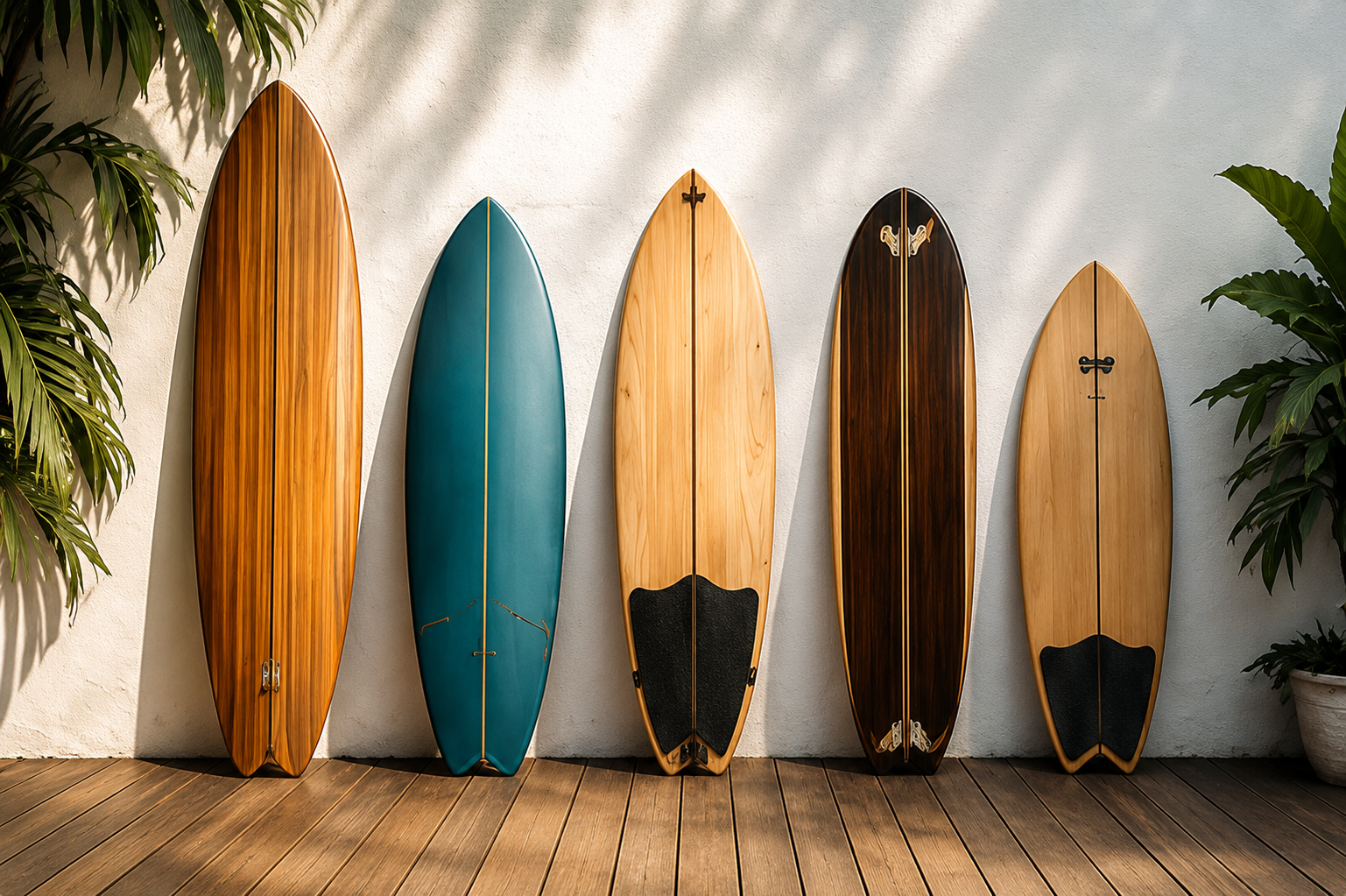
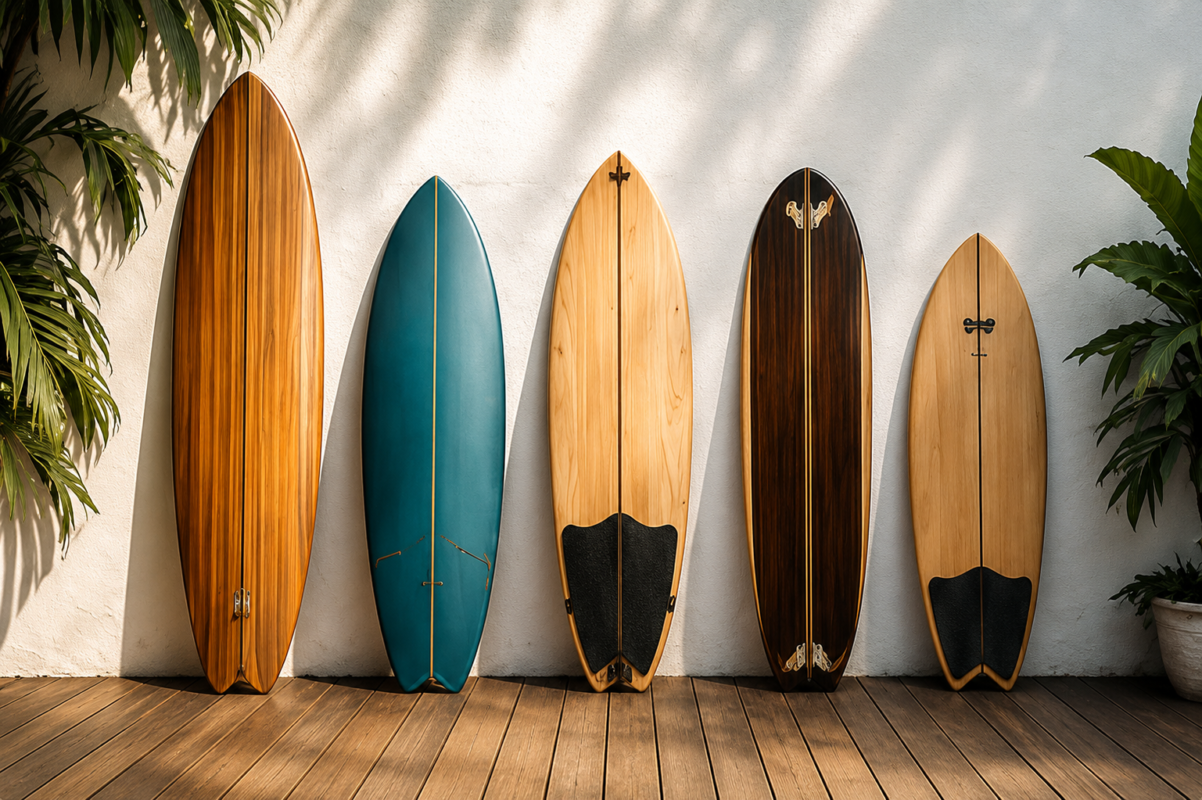
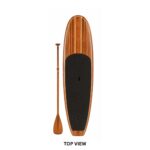
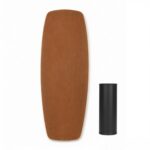
The first thing to understand is board type. Surfboards generally fall into categories like longboards, shortboards, fish boards, and balance boards. For someone just starting out, longboards and soft top boards are usually the best choice. Their extra length and width provide more stability, making it easier to paddle, catch waves, and stand up without constantly losing balance.
Size matters just as much as type. As a rough rule, taller and heavier surfers need longer, wider boards for adequate float, while lighter surfers can manage with something smaller. Volume, measured in litres, is often a more accurate indicator of how well a board will support you than length alone.
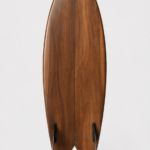
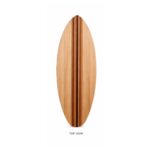
Material is another factor that beginners often overlook. Most boards on the market are made from foam, thermocol, or fibreglass over polyurethane. These materials are lightweight but degrade quickly with regular use, sun exposure, and impact. Wood based boards, like the ones made by Alie Surfboards, offer a sturdier alternative. Handcrafted from NZ Pine, marine ply, and wood veneer, these boards are built to survive real use in Indian waters while giving you a completely different, premium feel compared to typical foam boards.
Budget is naturally a concern for beginners who are unsure if surfing will become a long term hobby. The good news is that you do not have to choose between quality and affordability. Alie Surfboards focuses on being India’s only wood based surfboard brand while still keeping pricing accessible, so you get durability and craftsmanship without paying for imported, mass produced alternatives.
Before you buy, consider a few final points. Try to test ride a few boards if possible, even a rental, before committing. Think about where you will store the board and how you will transport it. And remember that your first board does not have to be your only board. Many surfers start with a stable, beginner friendly board and later add a second board as their skills improve.
Surfing is a sport built on patience and progress. Choosing a solid first board sets the foundation for everything that follows.

Related posts
Beginner’s Guide to Surfboards: Everything You Need to Know Before Buying
Beginner's Guide to Surfboards: Everything You Need to Know Before Buying
Buying your first surfboard is an exciting milestone, but it can also be confusing if you do not know where to start. With so many shapes, materials, and sizes on the market, beginners often end up either overpaying for something unsuitable or underbuying and struggling to learn. This guide breaks down everything you need to know before making your first purchase.
The first thing to understand is board type. Surfboards generally fall into categories like longboards, shortboards, fish boards, and balance boards. For someone just starting out, longboards and soft top boards are usually the best choice. Their extra length and width provide more stability, making it easier to paddle, catch waves, and stand up without constantly losing balance.
Size matters just as much as type. As a rough rule, taller and heavier surfers need longer, wider boards for adequate float, while lighter surfers can manage with something smaller. Volume, measured in litres, is often a more accurate indicator of how well a board will support you than length alone.
Material is another factor that beginners often overlook. Most boards on the market are made from foam, thermocol, or fibreglass over polyurethane. These materials are lightweight but degrade quickly with regular use, sun exposure, and impact. Wood based boards, like the ones made by Alie Surfboards, offer a sturdier alternative. Handcrafted from NZ Pine, marine ply, and wood veneer, these boards are built to survive real use in Indian waters while giving you a completely different, premium feel compared to typical foam boards.
Budget is naturally a concern for beginners who are unsure if surfing will become a long term hobby. The good news is that you do not have to choose between quality and affordability. Alie Surfboards focuses on being India’s only wood based surfboard brand while still keeping pricing accessible, so you get durability and craftsmanship without paying for imported, mass produced alternatives.
Before you buy, consider a few final points. Try to test ride a few boards if possible, even a rental, before committing. Think about where you will store the board and how you will transport it. And remember that your first board does not have to be your only board. Many surfers start with a stable, beginner friendly board and later add a second board as their skills improve.
Surfing is a sport built on patience and progress. Choosing a solid first board sets the foundation for everything that follows.

How to Choose the Right Surfboard for Your Skill Level
Picking your first surfboard, or even your fifth, can feel overwhelming with so many shapes, sizes, and materials available. The right board depends on your experience level, body weight, height, and the kind of waves you plan to ride. Getting this choice right can be the difference between falling off every third wave and actually enjoying your time in the water.
If you are a complete beginner, volume and stability matter more than looks. A wider, thicker board with more foam gives you the balance you need to catch waves easily and build confidence. Longboards and soft top boards are usually recommended at this stage because they paddle faster and float better, which means less struggling and more standing up.
As you progress to an intermediate level, you can start moving toward boards with a bit more manoeuvrability. This is where fish boards and mid length boards come in. They offer a balance between stability and performance, letting you turn faster while still forgiving small mistakes in your technique.
Advanced surfers usually shift toward shortboards. These are built for speed, sharp turns, and performance in bigger or more powerful waves. They require stronger paddling ability and better wave reading skills, but reward you with much more control and responsiveness.
Material also plays a big role in how a board performs and lasts. Traditional foam and thermocol boards are common but tend to wear out fast and lack durability. This is where wood based surfboards stand apart. At Alie Surfboards, every board is handcrafted using NZ Pine, marine ply, and wood veneer, giving you a board that is not just built to ride but built to last. Unlike mass manufactured boards, ours are Man Factured, shaped with care rather than churned out on an assembly line.
Before you buy, ask yourself these questions. What is your current skill level? What is your height and weight? What kind of waves do you usually surf? Do you want a board that also looks good enough to display at home? Wood boards from Alie answer that last question especially well since they double as functional art when they are not in the water.
Choosing the right surfboard is not about picking the most expensive or most popular option. It is about matching the board to your body, your skill, and your goals in the water. Take your time, understand the basics, and choose a board that grows with you as a surfer.