Buying your first surfboard is an exciting milestone, but it can also be confusing if you do not know where to start. With so many shapes, materials, and sizes on the market, beginners often end up either overpaying for something unsuitable or underbuying and struggling to learn. This guide breaks down everything you need to know before making your first purchase.
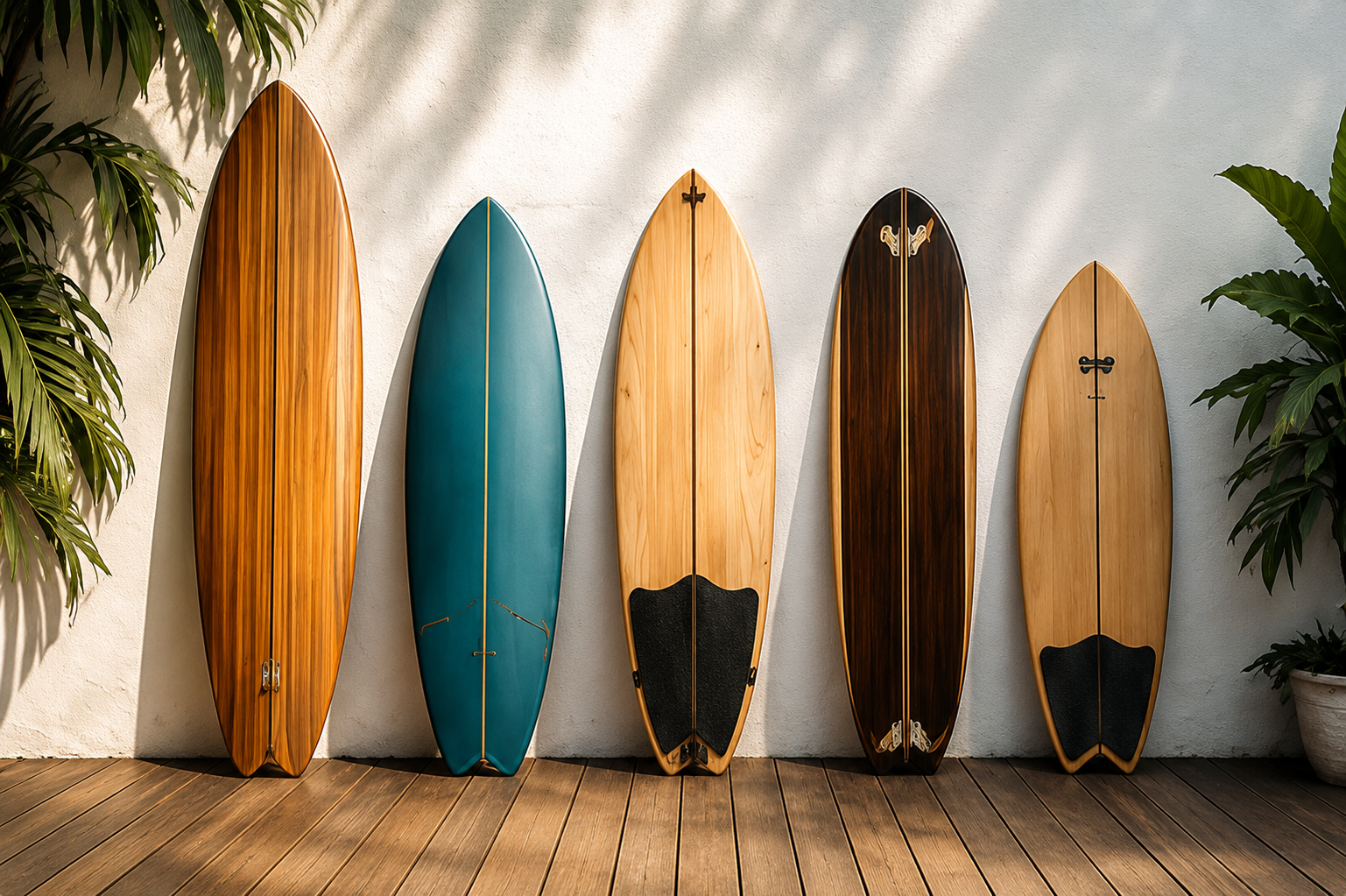
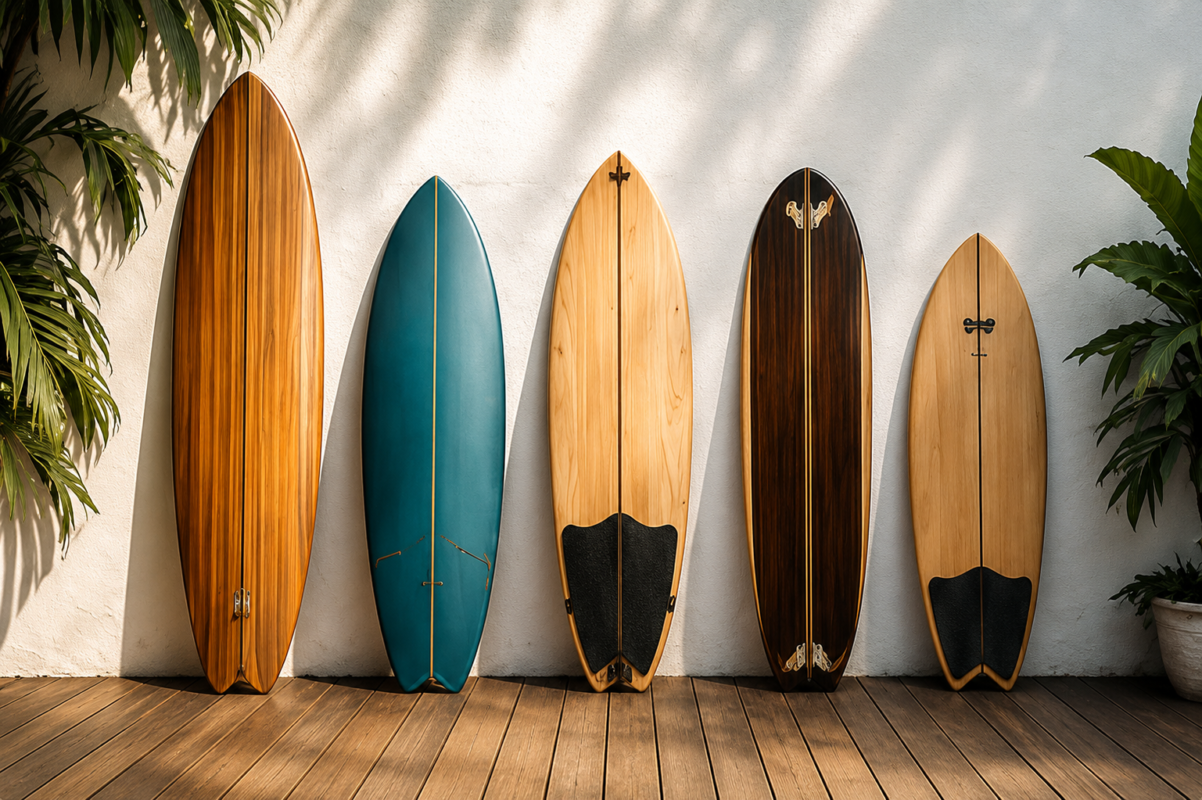
The first thing to understand is board type. Surfboards generally fall into categories like longboards, shortboards, fish boards, and balance boards. For someone just starting out, longboards and soft top boards are usually the best choice. Their extra length and width provide more stability, making it easier to paddle, catch waves, and stand up without constantly losing balance.
Size matters just as much as type. As a rough rule, taller and heavier surfers need longer, wider boards for adequate float, while lighter surfers can manage with something smaller. Volume, measured in litres, is often a more accurate indicator of how well a board will support you than length alone.
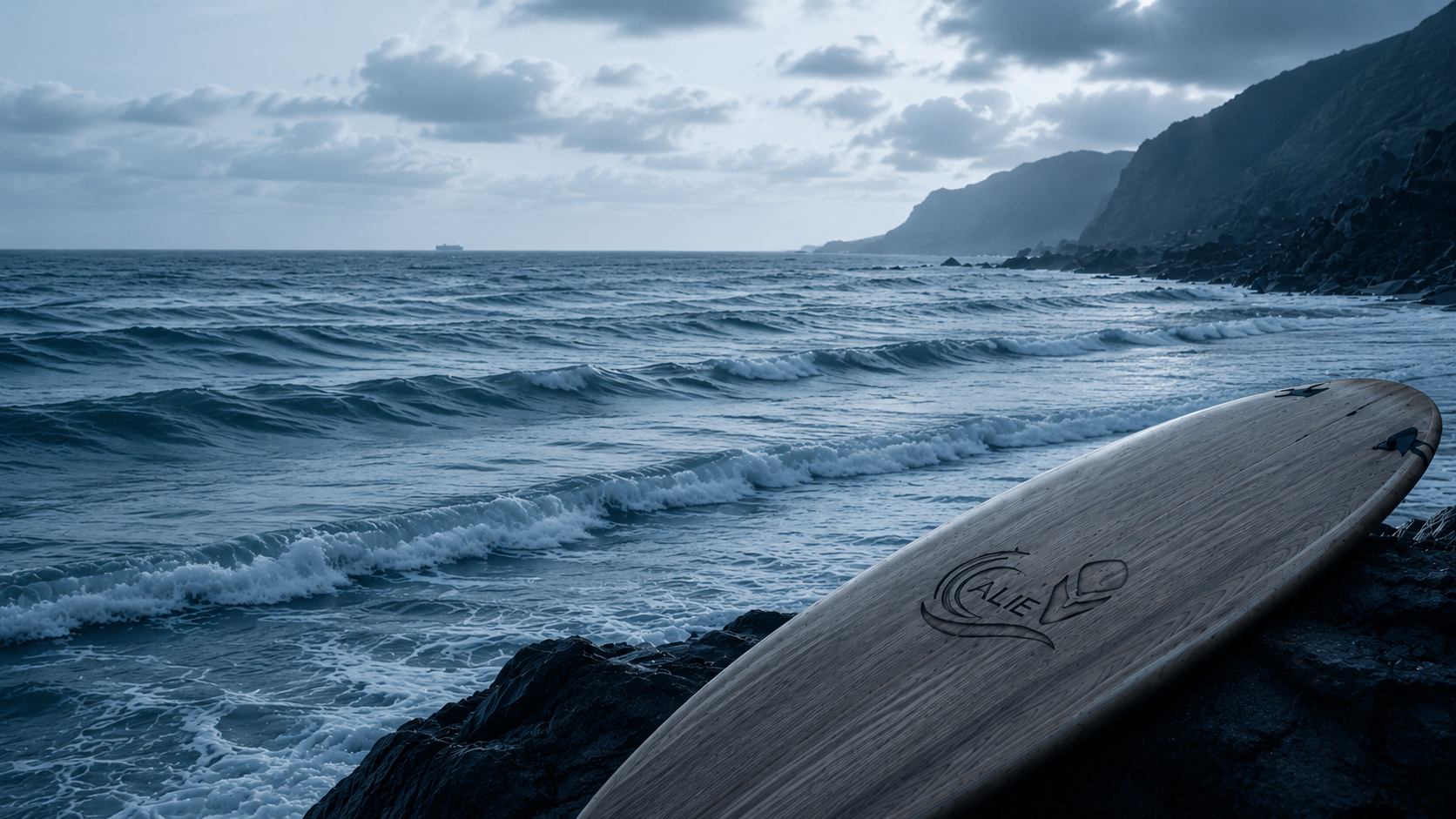
Material is another factor that beginners often overlook. Most boards on the market are made from foam, thermocol, or fibreglass over polyurethane. These materials are lightweight but degrade quickly with regular use, sun exposure, and impact. Wood based boards, like the ones made by Alie Surfboards, offer a sturdier alternative. Handcrafted from NZ Pine, marine ply, and wood veneer, these boards are built to survive real use in Indian waters while giving you a completely different, premium feel compared to typical foam boards.
Budget is naturally a concern for beginners who are unsure if surfing will become a long term hobby. The good news is that you do not have to choose between quality and affordability. Alie Surfboards focuses on being India’s only wood based surfboard brand while still keeping pricing accessible, so you get durability and craftsmanship without paying for imported, mass produced alternatives.
Before you buy, consider a few final points. Try to test ride a few boards if possible, even a rental, before committing. Think about where you will store the board and how you will transport it. And remember that your first board does not have to be your only board. Many surfers start with a stable, beginner friendly board and later add a second board as their skills improve.
Surfing is a sport built on patience and progress. Choosing a solid first board sets the foundation for everything that follows.




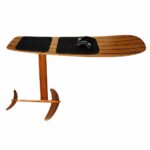 Hydrofoil Boards
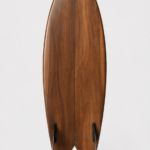 Fish Boards
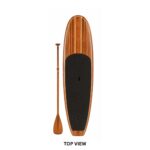 SUP Boards
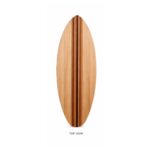 Skim Boards
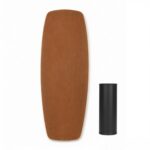 Balance Boards